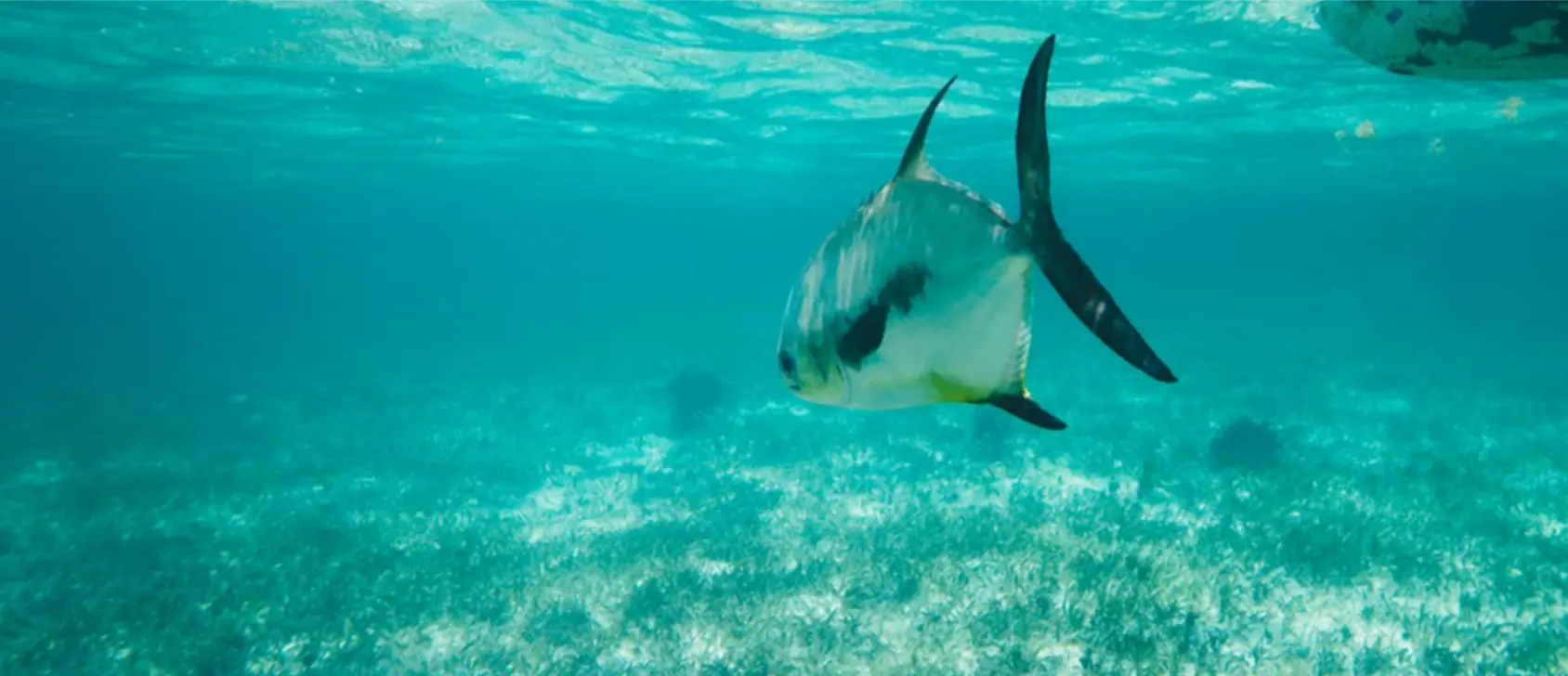
Bonefish & Tarpon Trust is conducting critical research on permit habitat use in Northern Belize and Quintana Roo, Mexico, but time is running out to protect these vital habitats! Please support these urgently needed science and conservation efforts.
Protecting the Permit Fishery Through Science
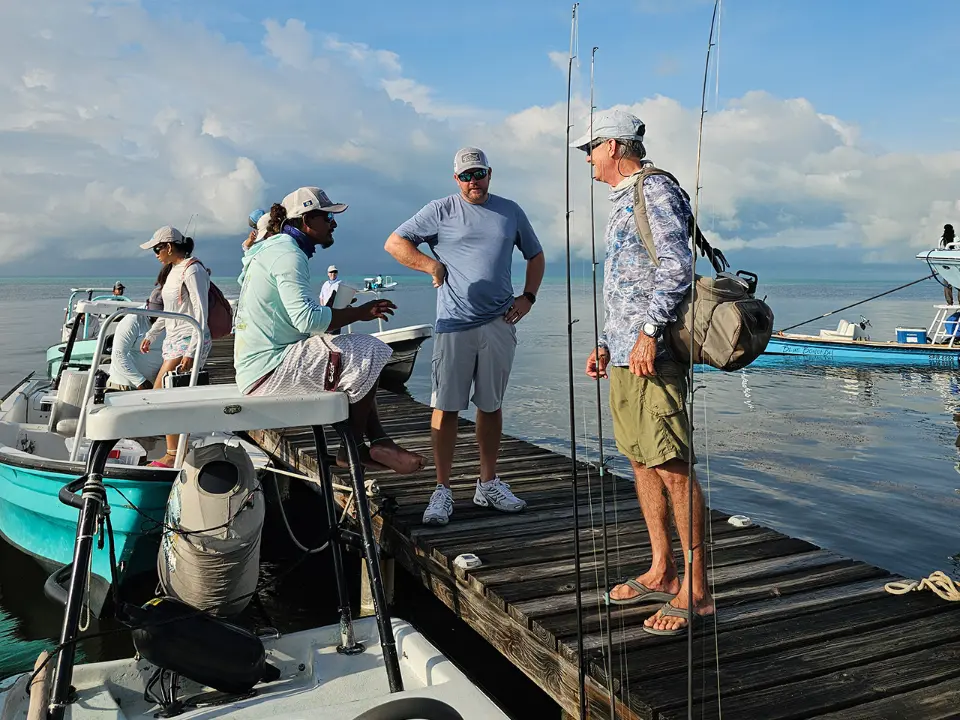
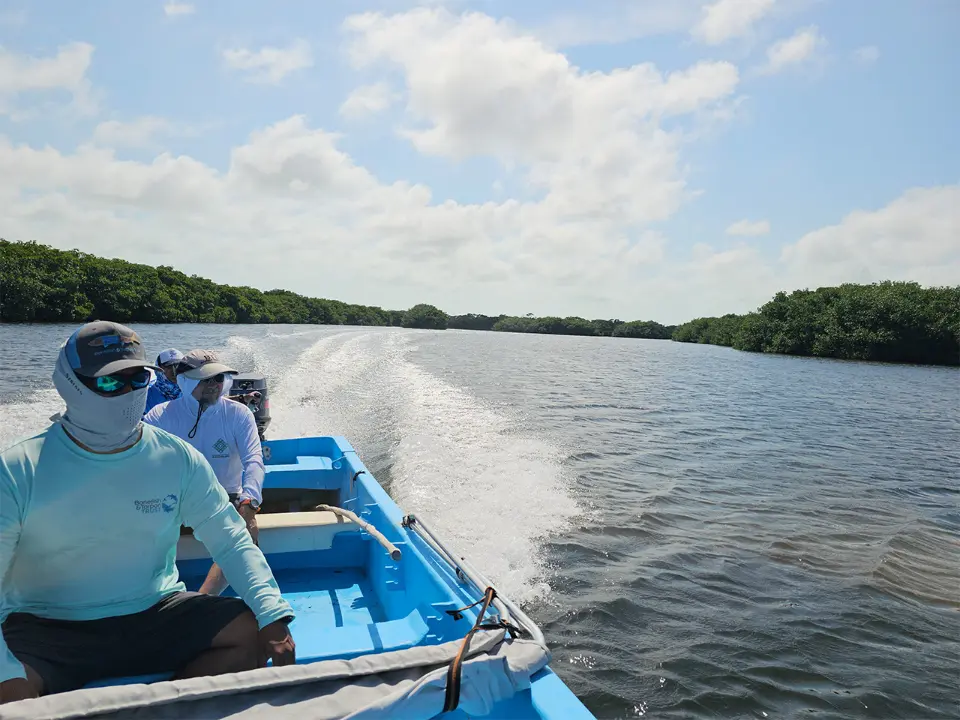
BTT researchers and fishing guides prepare for a day on the water. Photo: Lysandra Chan.
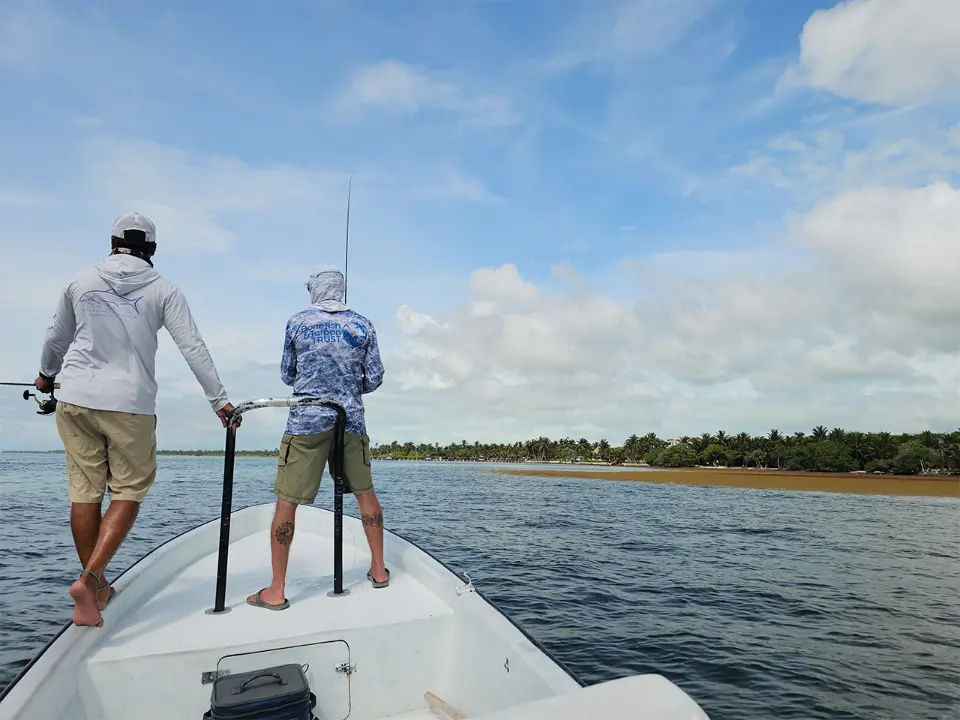
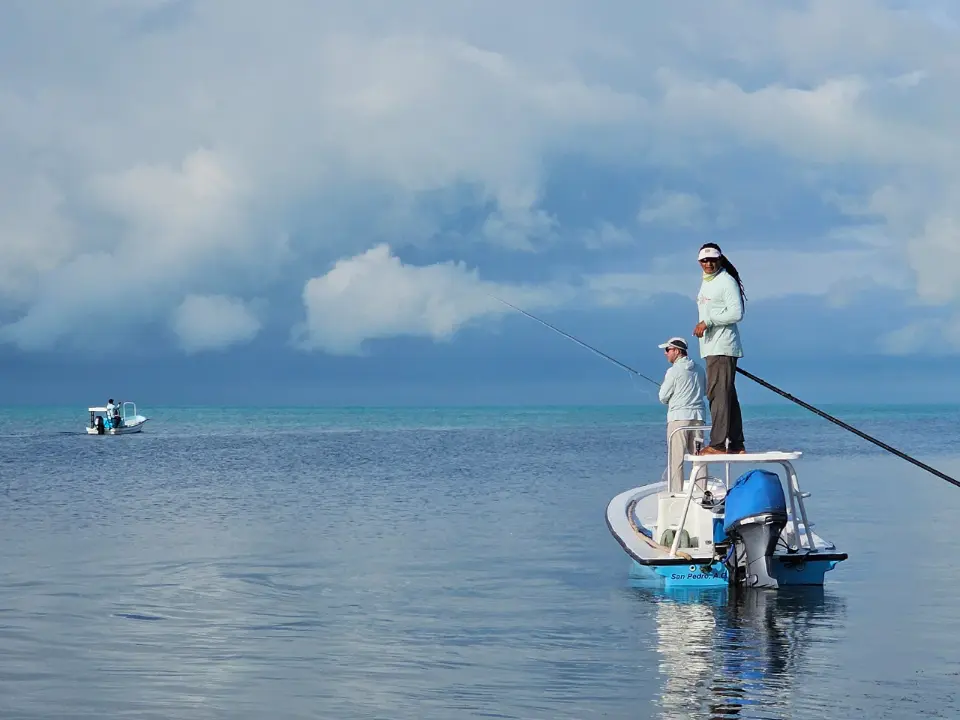
BTT's Director of Science & Conservation Dr. Aaron Adams fishes for permit in Belize. Photo: Lysandra Chan.
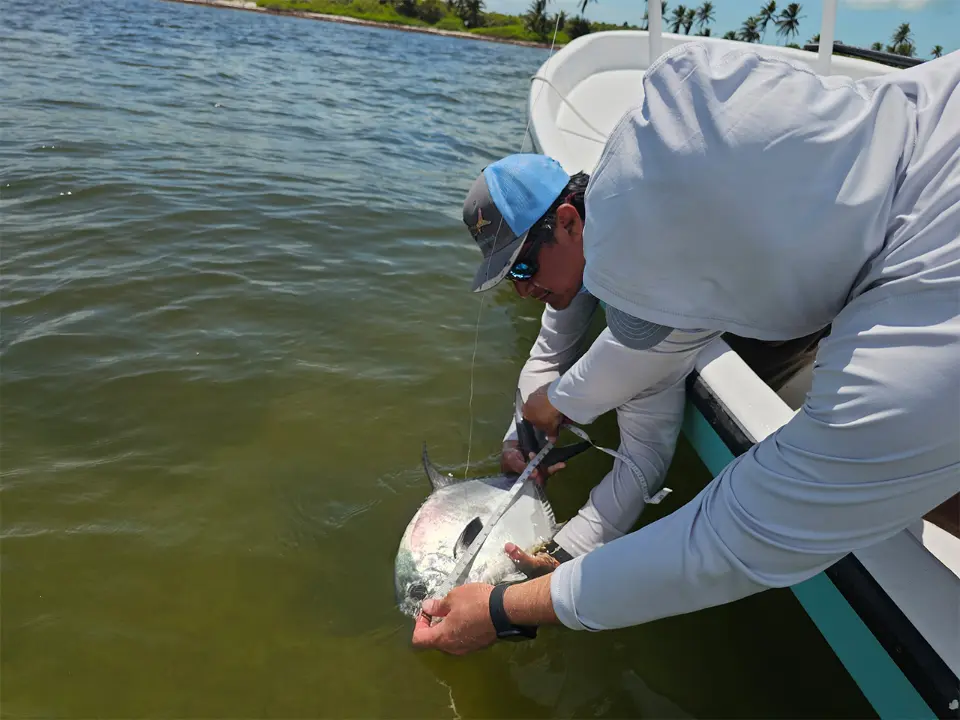
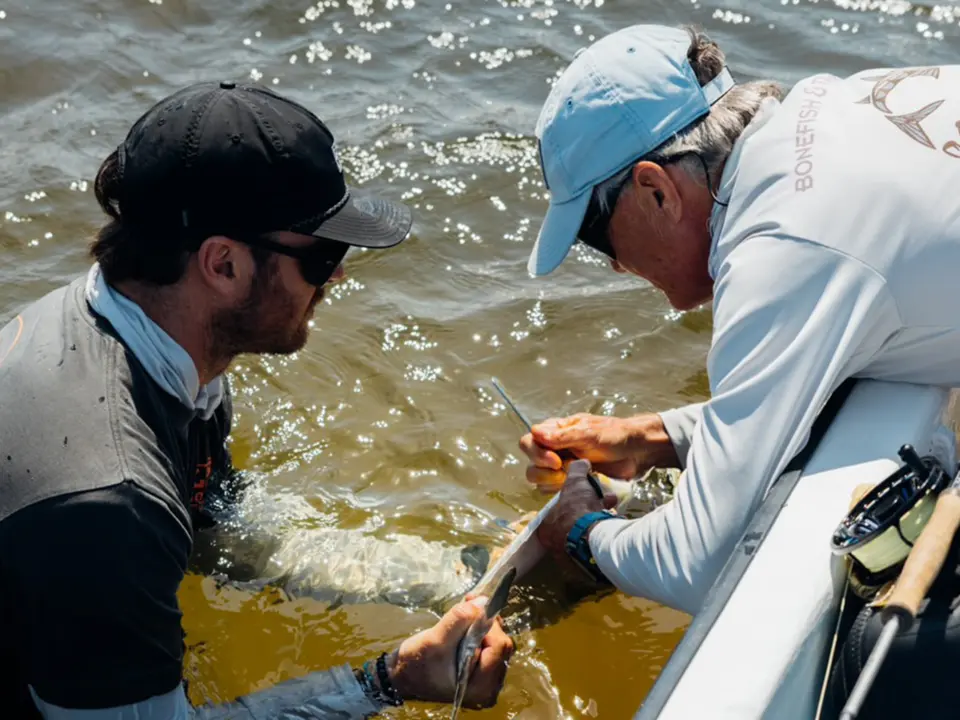
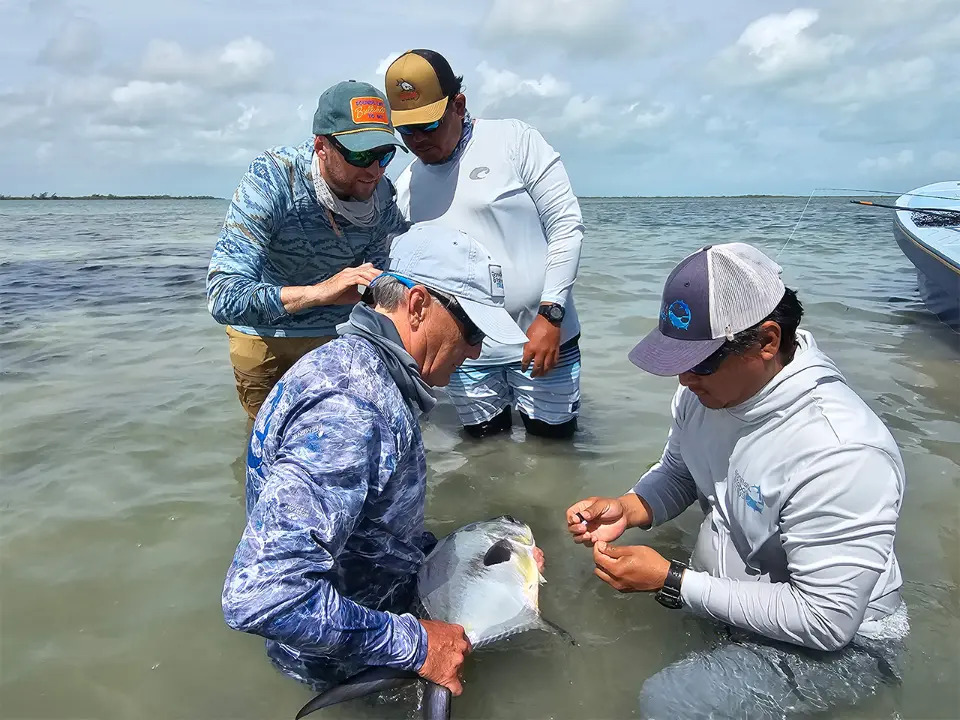
Dr. Addiel Perez measures a tagged permit. Photo: Lysandra Chan.
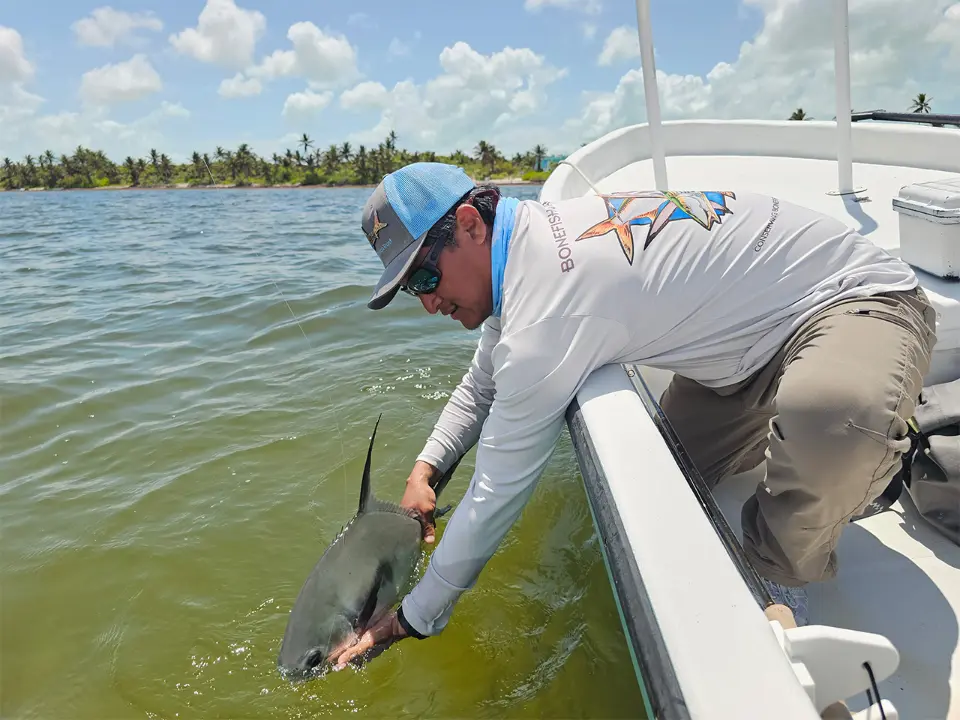
Dr. Addiel Perez releases a tagged permit. Photo: Lysandra Chan.
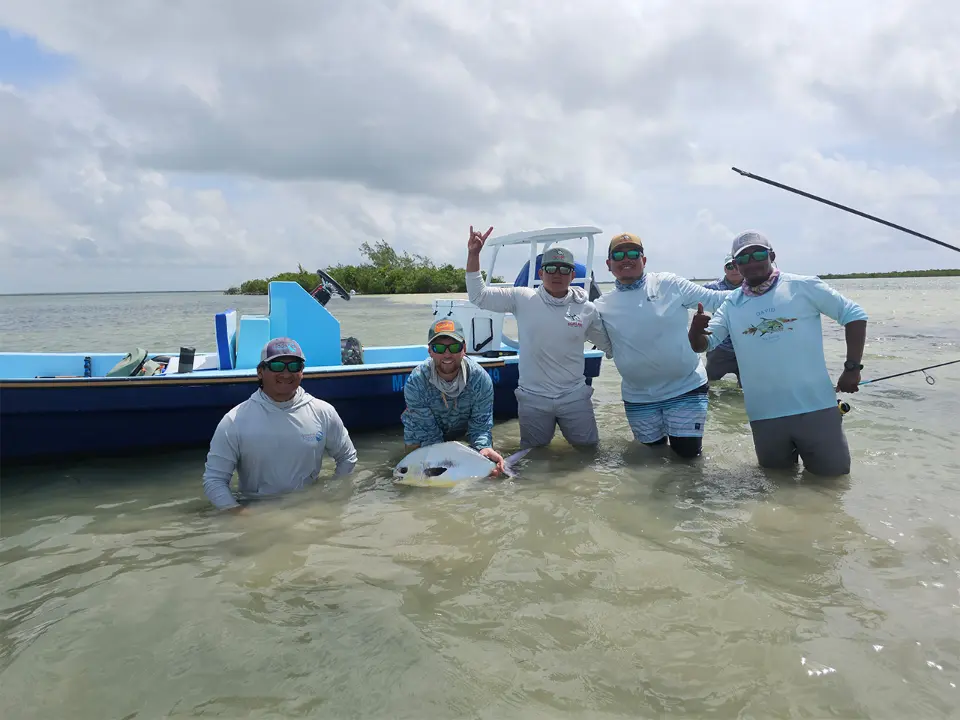
Fishing guides from Blue Bonefish Lodge in Belize. Photo: Lysandra Chan.
Dr. Aaron Adams surgically implants the first acoustically tagged permit in Mexico!
The first acoustically tagged permit in Belize caught by guides David Nah and Alan Kuylen, Blue Bonefish Lodge.
Dr. Addiel Perez together with Mexican and Belizean guides tagging a permit on June 30, 2025.
Dr. Addiel Perez surgically implants an acoustic transmitter (tag) in a permit together with Dr. Aaron Adams.
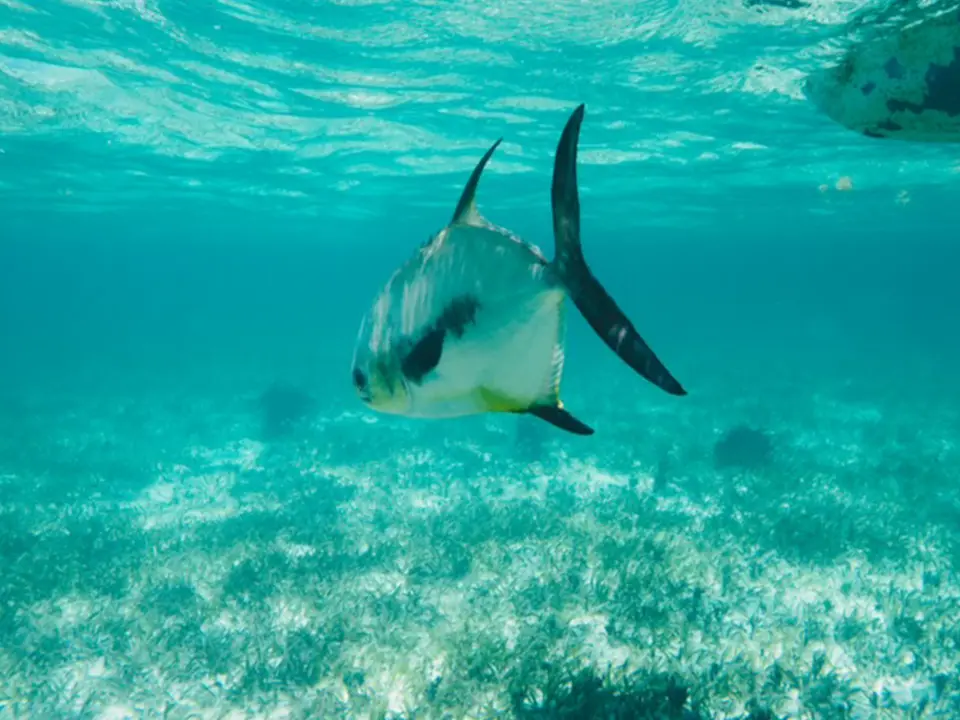
Belize and Mexico share a permit fishery. Photo: Addiel Perez.
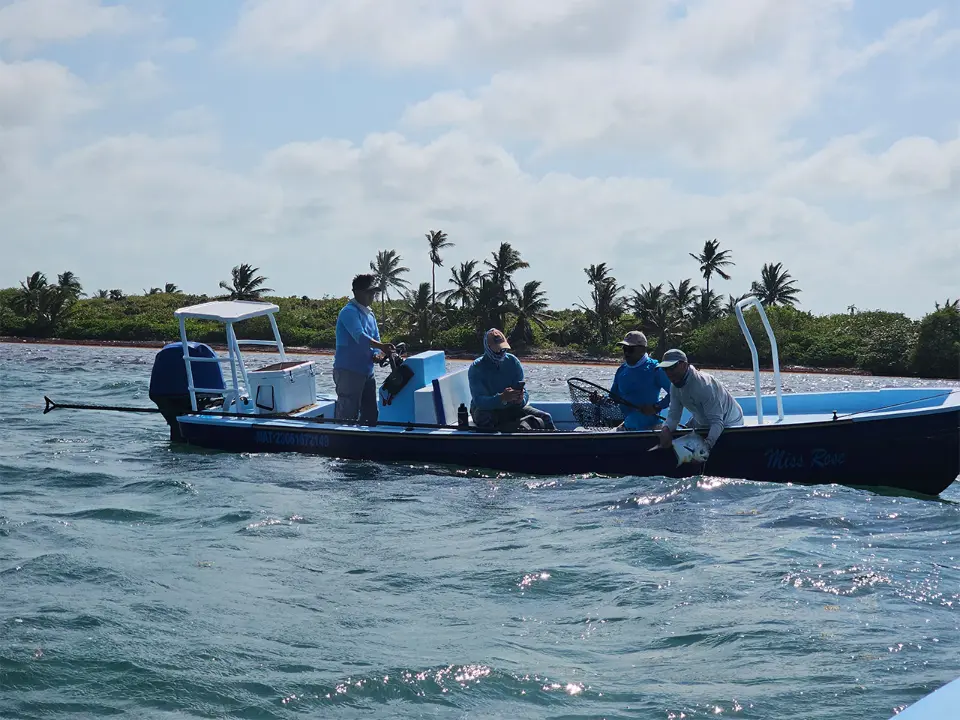
BTT works with guides in Belize to catch permit for acoustic tagging. Photo: Lysandra Chan.
BTT works with guides in Belize to catch permit for acoustic tagging. Photo: Lysandra Chan.
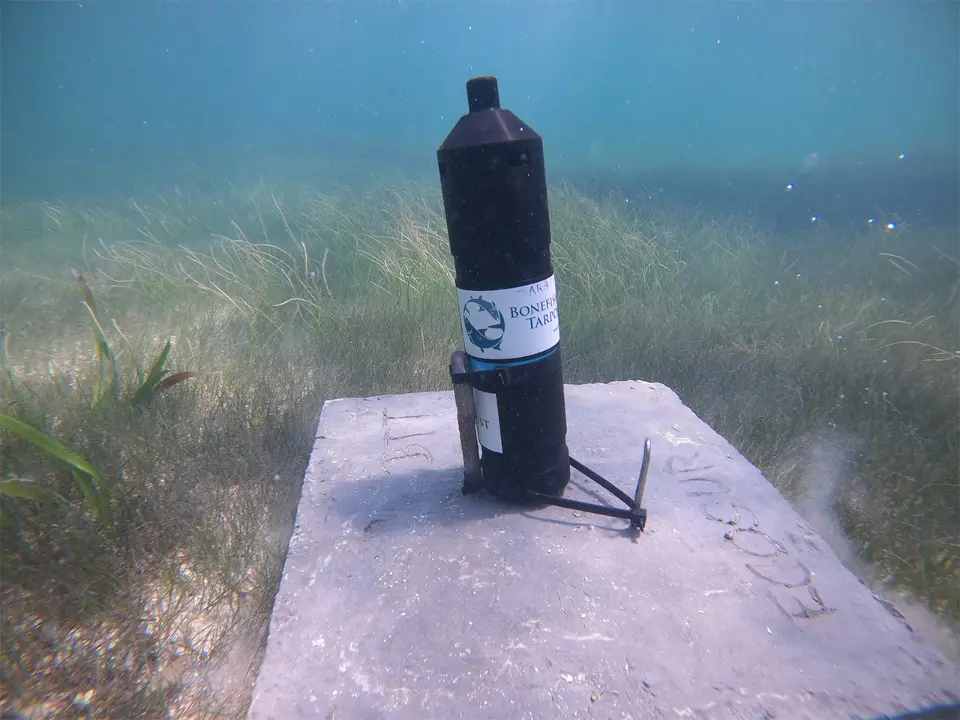
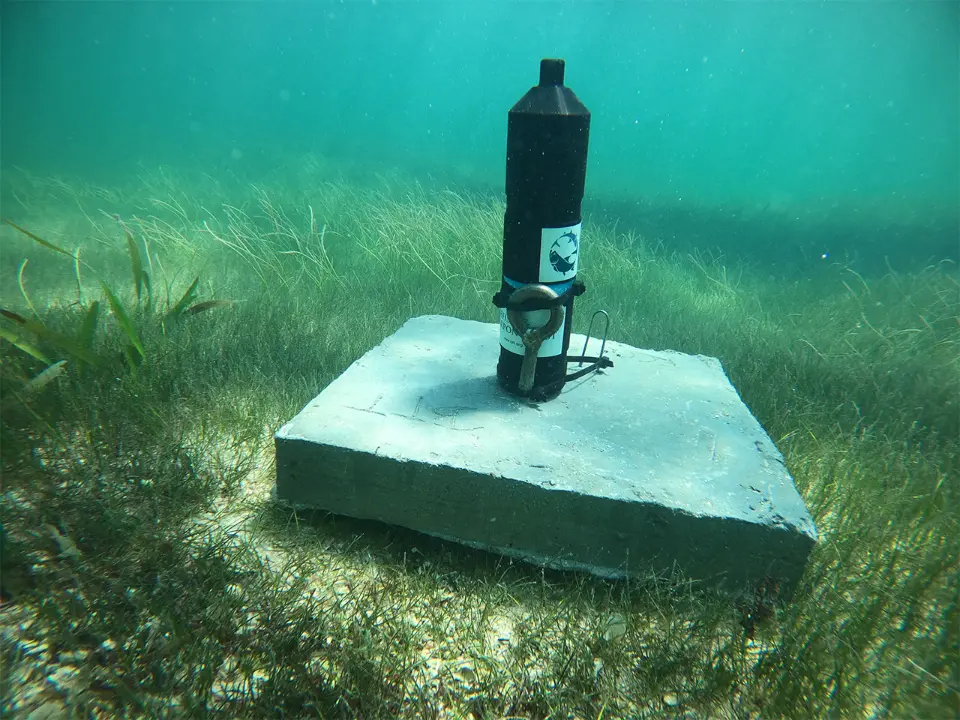
Deployed receiver devices record data from passing permit tagged with acoustic transmitters. Photo: Addiel Perez
Deployed receiver devices record data from passing permit tagged with acoustic transmitters. Photo: Addiel Perez
This bi-national research project aims to locate essential foraging areas, migration pathways, and spawning locations for permit. The information is critical for increasing protections and improving management of these areas and the permit that use them. Increased funding will enable us to expand the sample area and the number of tagged fish, maximizing the data we receive over multiple years. With your support, we can conduct the science necessary to protect critical permit habitat.
BTT is working with volunteers, fishing guides, and lodges to acoustically tag permit for the study. We are also working with local management agencies and partnering research institutions. This type of research is time- and labor-intensive, as well as expensive, but the investment is worthwhile. We cannot improve the management of the fishery without this essential information.
Threats to Permit in Mexico
In the state of Quintana Roo, Mexico, the flats fishery for bonefish, tarpon, and permit has an estimated annual economic impact of $45 million USD, providing approximately 1,700 jobs and making the fishery both economically and culturally important. In Xcalak, the flats fishery is responsible for a significant portion of the local economy.
An impending threat to the fishery is a proposal to dredge and lengthen the Zaragosa Canal, which connects the Caribbean Sea and Chetumal Bay south of Xcalak. This channel is designed to provide access to the Caribbean Sea for ocean-going boats from Chetumal. The dredging and increase in boat traffic is expected to damage flats habitats in the Caribbean and Bay, and alter fish migrations. The initial creation of the Zaragosa Canal has already altered the ecology of Chetumal Bay, and the expansion poses significant threats to the flats fishery.
Information on how and when permit use the Zaragosa Canal and surrounding flats habitats is urgently needed to assess the potential impacts of the proposed dredging.
Threats to Permit in Belize
The Belize flats fishery for bonefish, tarpon, and permit has an estimated annual economic impact of $155 million USD. The fishery is also culturally important, providing thousands of jobs in coastal communities. In recognition of the importance of the flats fishery, regulations were passed in 2009 that made flats species catch-and-release only in Belize.
However, the fishery continues to be threatened by coastal development and dredging that destroys or degrades flats habitats. We urgently need to fill in missing information on which habitats and locations are most important to flats species, so we can push back against irresponsible development and dredging.
BTT’s research is being shared with the Belize Coastal Zone Management Authority and Institute (CZMAI) and the Department of Fisheries to improve their management strategies. We are also working with the Belize Flats Fishery Association (BFFA) and fishing guides, helping to empower their advocacy to protect the natural resources their culture and livelihoods depend on.
How Acoustic Telemetry Works
We are using acoustic telemetry to track permit. This approach requires us to capture permit and surgically implant acoustic transmitters (tags). Tagging does not harm the fish. The tags emit a supersonic ping that includes a unique identification code, which is detected by acoustic receivers anchored underwater at strategic locations. When a tagged permit swims within approximately 500 yards of a receiver, the receiver records the tag ID number, and the date and time of the detection. We retrieve the receivers and download the stored data at approximately six-month intervals. We then analyze the data to estimate permit movements and habitat use.
Research Needs
Our goal is to deploy 40 receivers and implant 80 tags in permit. Here is the breakdown of materials costs:
Surgery tools (hemostats, scalpels, scissors, sutures, betadine): $500